
Is your Company in our Directory?

The Endodontic Procedure
 Your tooth may feel sensitive for a few days and can normally be relieved with over-the-counter medications like Ibuprofen.
During the root canal, Dr. Thibault will make a small access hole in the top of the tooth. Very small instruments and a microscope are used to remove the pulp from the pulp chamber and root canals. After cleaning the inside of the tooth, a rubber-like material called "gutta percha" is placed inside the tooth. A temporary or permanent filling is then placed to close the access hole. After the root canal, you must return to your dentist for a final restoration (either a crown or permanent filling).
Discomfort is usually very mild. Dr. Thibault may prescribe antibiotics to help alleviate any potential infection.
 In some rare cases, a tooth with previous endodontic treatment may need retreatment. This can stem from a variety of causes, such as a crack, missed canals, or from any remaining bacteria in the tooth. From your perspective, a retreatment is very similar to a first time root canal. Instead of removing the pulp, Dr. Thibault would remove the previous root canal material and look for anything causing failure of the original treatment and place a new root filling material. Upon success of your treatment; the body will take six months to regenerate any lost bone.
Another type of procedure your general dentist may send you to our office for is an apicoectomy. An apicoectomy is sometimes necessary when an infection located at the tip of the tooth's root persists despite root canal treatment efforts.

During the apicoectomy, Dr. Thibault will open the gum tissue near the tooth to remove any inflamed or infected tissue. The tip of the tooth will also be removed. A small filling may be placed in the root to seal the root canal. Sutures will be necessary to allow the gum tissue to heal properly. We will have you return to our office a few days later to have your sutures removed.
Depending on the circumstances with your tooth, Dr. Thibault may ask you to return in six months to a year so he can evaluate how the area has healed. There is no charge for this visit.
If you would like more information about root canals and other endodontic procedures, we encourage you to look at the American Association of Endodontics website's section for patients.
Other products and services:

You may be wondering what a root canal is. We know there are a lot of exaggerated horror stories out there and you may be worried about getting treatment!
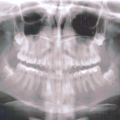
We strive to help you understand your patient portion prior to treatment.
Products and Services of other companies:

Dr. Mitchell's dental office has been equipped with the most up to date technology available.
Business details
- +1 (316) 616-1310
- 3900 W Central Ave. Ste 100 Wichita, KS 67203
- www.wichitarootcanal.com/
... Caring, Service, Technology since 2004
Kansas
company, product and service directory
company, product and service directory
Business Network 2008-2026
All rights reserved
All rights reserved